
Our new website has just gone live. Card payments are not connected yet, so please call 682-404-2919 or email tubbspuppies@gmail.com to reserve a puppy. Dismiss
Skip to contentGentle, playful, and affectionate lap dogs with luxurious white coats.


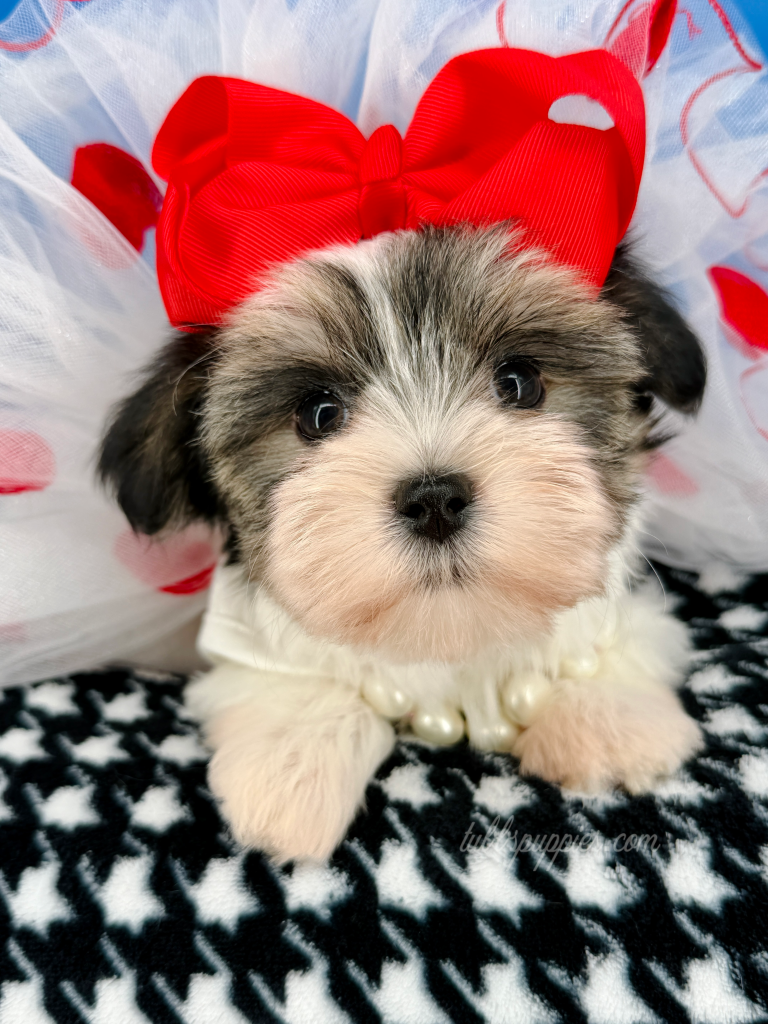
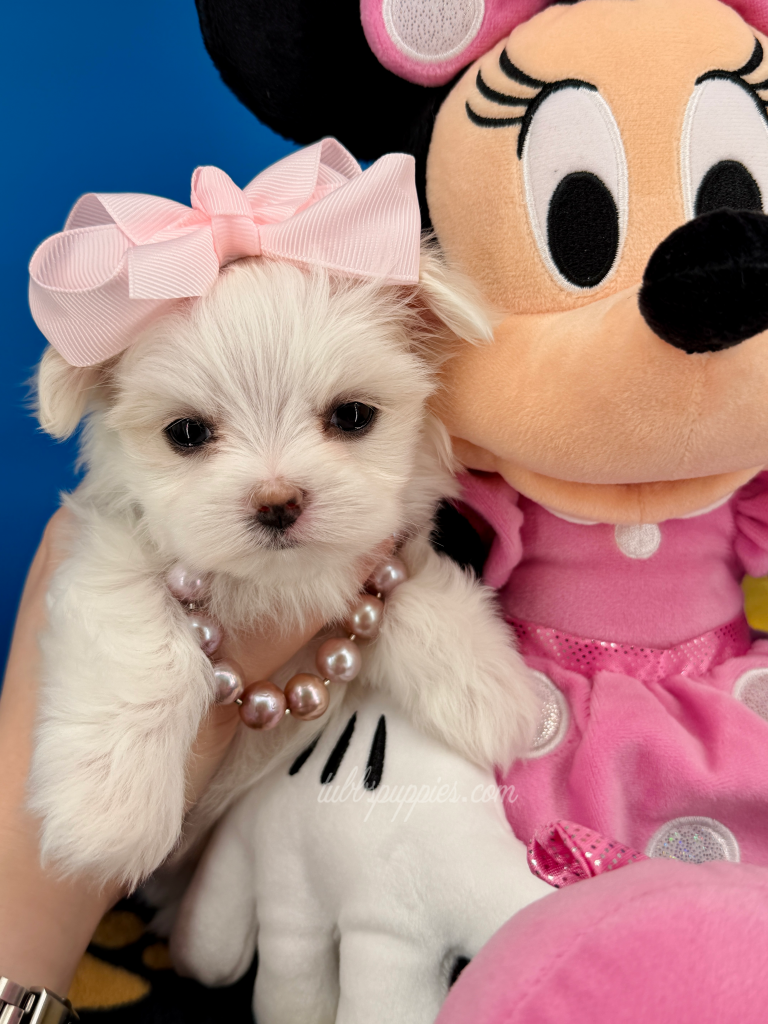

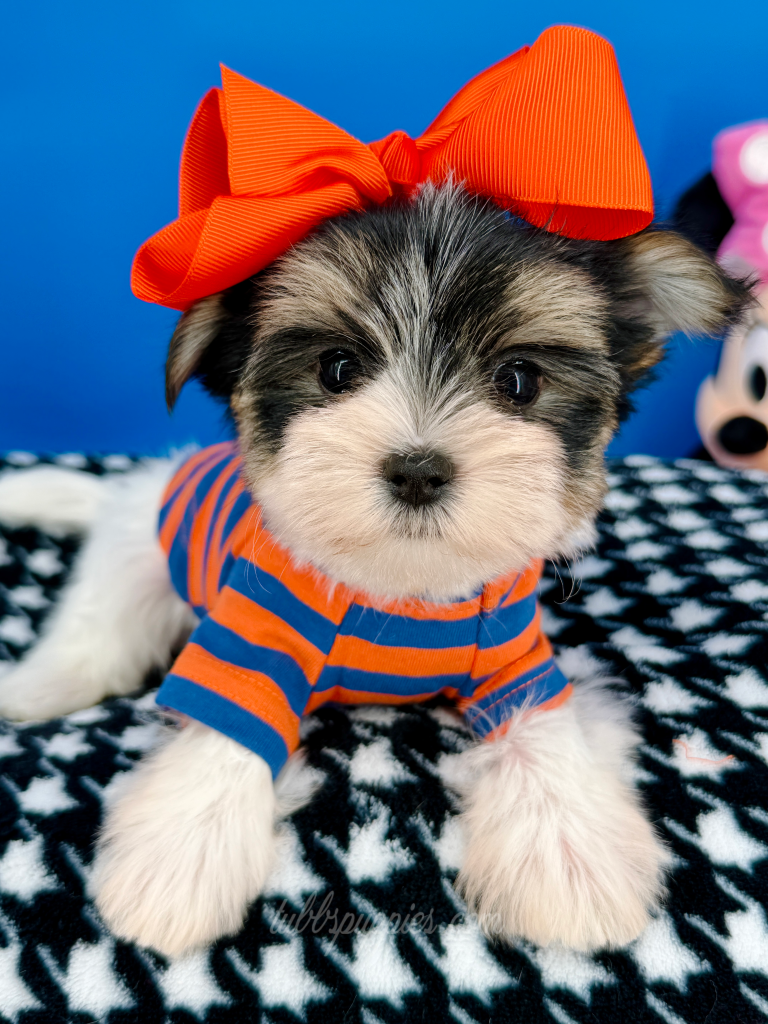
The tiny Maltese are famous for their show-stopping, pure white coat. They are playful, charming, adaptable — and also gentle, affectionate, intelligent, responsive, and trusting. A very good choice for a family dog because they are lively, playful, and generally enjoy learning tricks.
Their small size makes them great travel companions in cars and on planes. The irresistible Maltese face — with its big dark eyes and black gumdrop nose — can conquer the most jaded of personalities. They make alert watchdogs who are fearless in a charming toy-dog way, and are little athletes on the agility course. Maltese are hypoallergenic, non-shedding, long-lived, and happy to make new friends of all ages.
Once you get to know the Maltese personality, you will fall in love.
Under 9 lbs, 7–9"
12–15 years
Hypoallergenic / non-shedding
Gentle, fearless, affectionate, trusting
Glimpses of our adults, past puppies, and the beautiful lives they live with their forever families.
Maltese are affectionate and adaptable toy companions that often form close bonds with their families. The AKC describes the breed as playful, charming, and intelligent. Their very small size makes careful supervision especially important around young children. We recommend larger toy breed dogs, like the Shih Tzu, for families with young children or children who are very active. Every individual dog should be evaluated for temperament when a family is choosing a dog for their home with children.
Maltese are typically lively, affectionate, and confident little dogs. Although often considered lapdogs, they can also be athletic and enjoy learning, playing, and participating in family activities. Individual temperament is influenced by genetics, socialization, training, and environment.
The Maltese has a long, silky coat that sheds very little compared with many breeds. No dog is guaranteed to be hypoallergenic, however, because people can react to dander, saliva, or other allergens. Prospective owners with allergies should spend time around Maltese before making a decision.
The AKC describes the Maltese as a toy dog weighing less than 7 pounds, with 4 to 6 pounds preferred in the breed standard. We have noted many Maltese getting their championship titles weighing as much as 8lbs in recent years as many breeders and judges within the AKC and FCI are interested in the long-term health of the breed over excessively small dogs. Individual pet Maltese may fall outside the preferred show range because of this; healthier dogs are often not undersized. Their small frame should always be handled gently and protected from high jumps or rough play.
Maltese can live successfully with respectful children and compatible pets when properly socialized. Because they are tiny and may be injured accidentally, they are often best suited to families whose children understand gentle handling. Introductions to other animals should be gradual and supervised.
A Maltese needs frequent brushing if its coat is kept long because the silky hair can tangle and mat. A shorter puppy cut reduces daily maintenance but still requires regular bathing, brushing, and professional trimming. We recommend your Maltese see a professional groomer at least every 6-12 weeks depending on the haircut you keep them in and get baths at home at least every other week. Dental care is also particularly important for small dogs. We recommend families brush their Maltese’s teeth from a young age to desensitize them to teeth brushing and also prepare for regular dental cleanings with their veterinarian.
Maltese are intelligent and respond well to positive, reward-based training. The AKC notes that they can also be determined, making consistency important. Potty training may require patience, a regular schedule, and close supervision because of their small size. Maltese puppies can need to go to the bathroom every hour to two hours depending on their size; the smaller they are, the more often they have to go to the bathroom. As they grow and develop, many Maltese dogs only need to use the bathroom three to four times a day.
Some Maltese are alert and may bark when they hear unfamiliar people or sounds. Barking levels vary by individual and can be influenced by socialization, routine, exercise, and training. Teaching a quiet cue and rewarding calm behavior can help prevent excessive barking.
Maltese are companion dogs that generally prefer being near their people. They can learn to spend reasonable periods alone when introduced to it gradually, but they should not routinely be left without attention for excessively long periods. We recommend families at least check on their Maltese three to four times daily. Enrichment, exercise, and a dependable schedule can make alone time easier.
The AKC lists the Maltese’s typical life expectancy as 12 to 15 years. Many live well into their senior years with appropriate nutrition, routine veterinary care, dental care, and exercise. Health-conscious breeding also plays an important role in long-term wellness. Many of our own Maltese from our program routinely live to 14 or 15 years old.

Ethically raising happy, healthy puppies in Texas for over 40 years. State licensed and family loved.


© 2026 Tubb’s Puppies. All rights reserved.
Tubb’s Puppies State License #381.
Dog and cat breeders are regulated by the Texas Department of Licensing and Regulation.
Contact: P.O. Box 12157, Austin, Texas 78711, 1-800-803-9202, 512-463-6599, www.tdlr.texas.gov.